
Sleep Isn't Optional: The Hidden Damage Happening When You Skimp on Shut-Eye
Unpacking the Science of Shut-Eye: Part 1 of 4 on Mastering Better Sleep

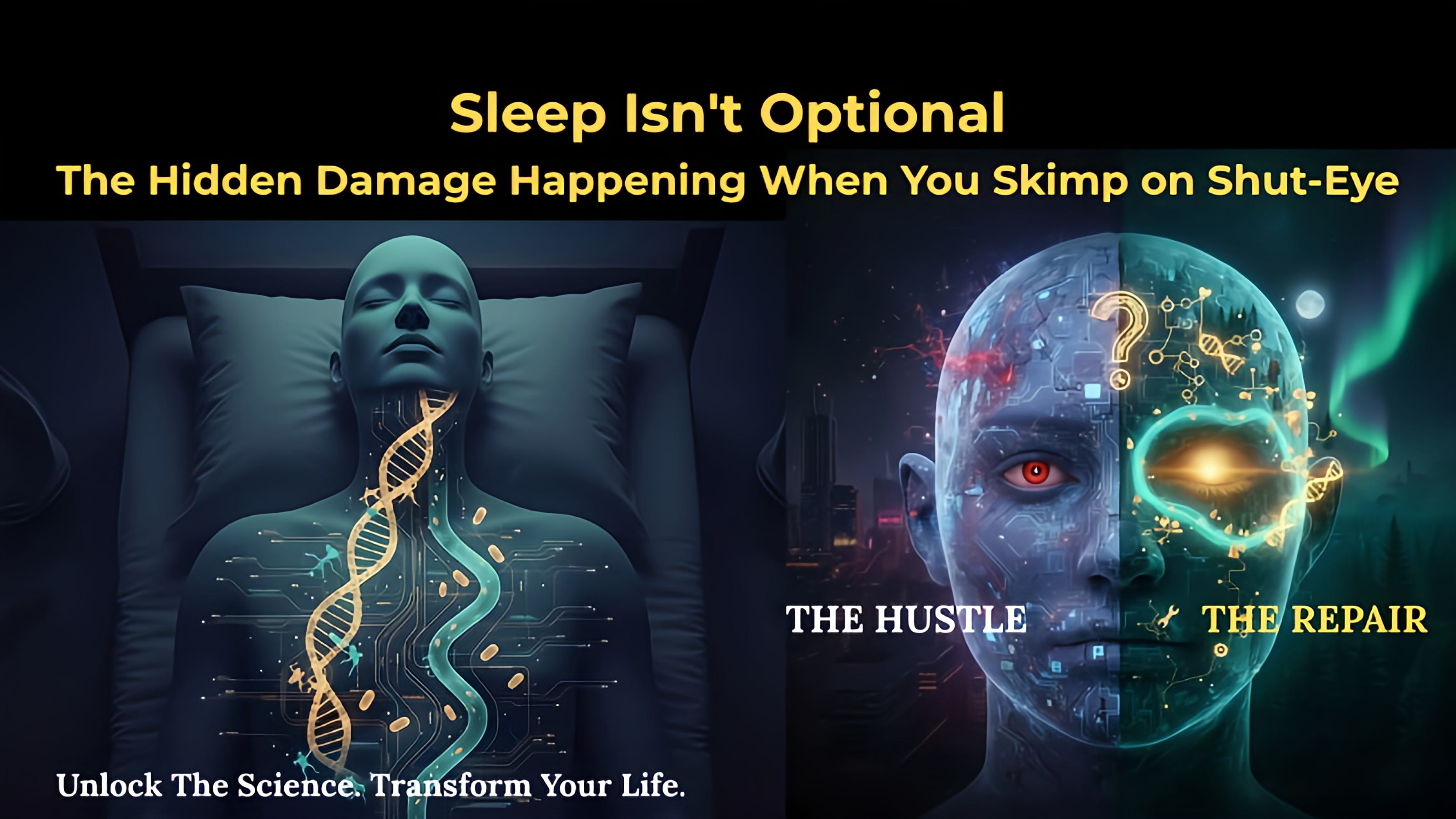
I know. You are already rolling your eyes. 🙄
“Sleep. Groundbreaking.” 🙃
You can almost feel the yawn coming on, your finger hovering over the close button on your phone. You’ve heard this sermon before: sleep more, feel better, live longer. Blah, blah, blah 🙄
But pause for a moment …
Do you actually know why we sleep? What is really happening inside your body when you are asleep versus when you are awake?
Most of us have absorbed a few slogans. Maybe a podcast clip. Maybe something from a coach or a biohacker.
But the real biology is far more interesting—and “far less optional.”
Sleep is not a lifestyle tip. It is not a wellness accessory. It is one of the most powerful biological tools your body has for brain aging, long-term health, and disease prevention.
And one of its most important jobs begins at a scale you have never seen or understood before.
This is part 1 of a 4-part series (because this is that important):
Today: why we need sleep
Part 2: circadian rhythms (what makes us sleep)
Part 3: natural remedies for sleep
Part 4: synthetic sleep options
The Daily Assault on Your Cells: Why Damage Is Just Part of Being Alive
Your body is under continuous attack at the microscopic level—not from the outside, but from the inside.
DNA damage is not something that only happens when you live badly, eat poorly, or skip sleep. “It happens because you are alive.”
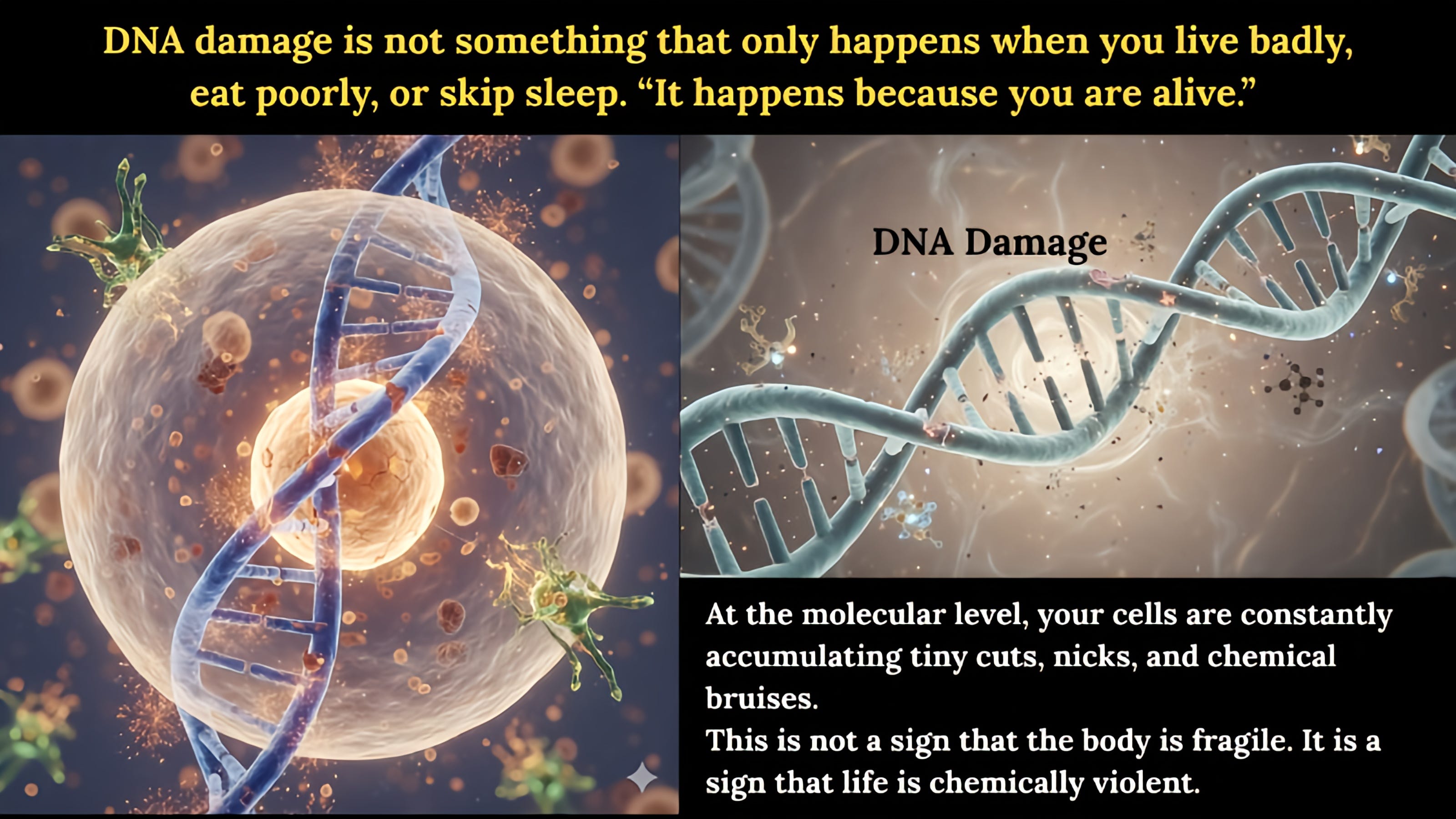
Any process that uses energy creates chemical stress. Breathing oxygen, digesting food, thinking, moving, exercising, even just staying warm—all generate highly reactive molecules called reactive oxygen species, or ROS. These molecules are an unavoidable byproduct of metabolism, and they constantly collide with DNA, proteins, and membranes.
The numbers here are not small.
In a typical human cell, scientists estimate roughly “10,000 to 100,000 DNA damage events per day”, stemming simply from normal metabolism and chemistry. Not per year. Per day. Per cell.
As of current estimates, the average adult human body contains roughly 30 to 37 trillion cells. The exact number depends on body size, sex, and many other factors, but the order of magnitude is what matters.
Now consider scale and crunch in the numbers …
Even if we take the lowest conservative estimate and assume only 10,000 damage events per cell per day, across 30 trillion cells, the total number of molecular “hits” happening in your body every single day becomes almost impossible to grasp.
10,000 X 30,000,000,000,000 = ❓😲❓
And that is just from reactive oxygen species made inside our body.
There are many others:
Spontaneous hydrolysis of DNA causes around 10,000 depurinations and hundreds of base deaminations per cell per day.
Single-strand breaks occur at a rate of roughly 10,000 to 40,000 per cell per day.
Double-strand breaks, which are more dangerous, are rarer but still happen dozens of times per cell per day.
Methylation damage and other chemical modifications occur in the thousands per cell per day.
Even the enzymes that copy and maintain DNA occasionally make mistakes.
Age
Put differently:
At the molecular level, your cells are constantly accumulating tiny cuts, nicks, and chemical bruises in their most important molecules.
This is not a sign that the body is fragile. It is a sign that life is chemically violent.
The Fix-It Factory Inside Our Body: How Your Cells Battle Back 24/7
If damage were the whole story, multicellular life would be impossible. You would not last a day.
You survive because your cells are running a massive, 24/7 repair operation that never takes a break.
Specialized molecular systems are constantly scanning your genome, finding errors, and fixing them before they cause trouble. Most of the time, this works astonishingly well.
You may have heard of genes like BRCA, made famous by Angelina Jolie’s story. Despite how it is often described in the media, BRCA is not a “cancer gene.” It is part of the DNA repair machinery. Its normal job is to help fix dangerous types of DNA damage. When systems like this fail, mutations begin to accumulate, and cancer risk rises.
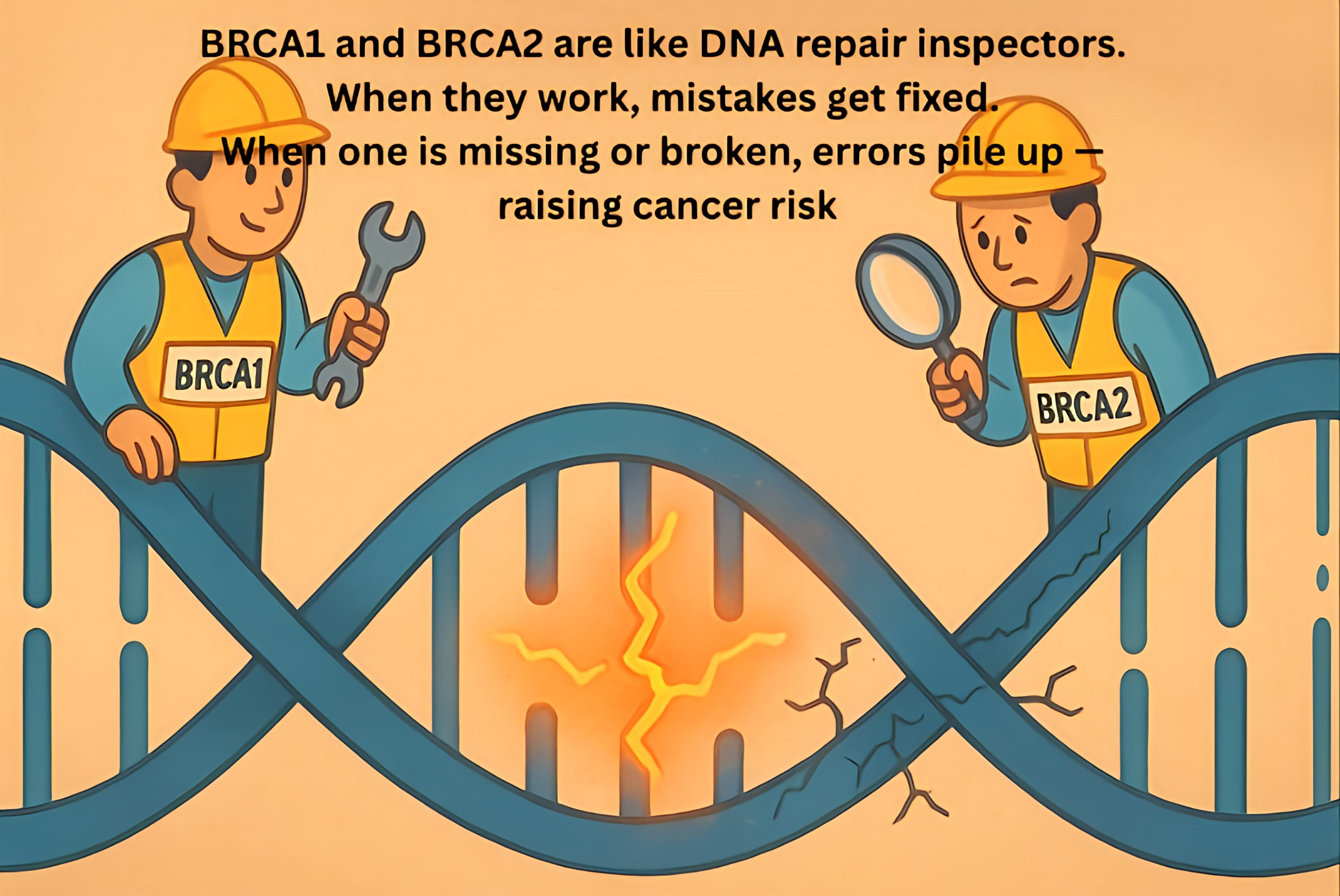
When DNA repair falls behind, the consequences show up everywhere:
Cancer
Neurodegenerative diseases
Accelerated aging
Immune dysfunction
But DNA repair is only one layer of defense.
Your cells also have systems that refold damaged proteins, shred irreparably broken ones, recycle entire malfunctioning components, and even destroy whole cells that have become too dangerous to keep around. In the brain, a specialized waste clearance system called the glymphatic system helps flush out metabolic debris and toxic proteins.
In other words, your body does not rely on a single fix-it crew. It relies on multiple overlapping layers of maintenance, cleanup, and quality control.
For example:
Autophagy
Organelle-specific stress responses
Proteostasis
Specialized DNA repair toolkits
DNA damage tolerance pathways
Stem cell-mediated tissue repair
Immune functions
Sometimes cells are so damaged that they need to be removed entirely. Your body relies on a process called autophagy, which literally means “self-eating.” It is a recycling and cleanup system that breaks down damaged proteins, malfunctioning cell parts, and cells that are no longer healthy.
Think of it as quality control. Cells that are too damaged to be repaired need to be dismantled and removed before they become dangerous. This process protects surrounding tissue and keeps systems running smoothly.
If this damage is constant, why aren’t we always sick?
Because our internal maintenance crew is world-class.
Most of the time, your repair systems stay one step ahead of the decay.
All these processes work together to manage the damage.
You are not a static structure. You are a process.
At every moment, damage is happening.
At every moment, repair is racing to keep up.
But having repair and damage-mitigation systems alone is not enough.
Night Shift Magic: Why Sleep Is Prime Time for Body Repairs
During the day, your body is in performance mode.
Your brain is burning enormous amounts of energy to think, focus, regulate emotions, and make decisions.
Your muscles are using energy to move, stabilize posture, and generate force.
Your organs are working to support digestion, circulation, temperature control, and alertness.
Even sitting still and thinking is metabolically expensive. So is digesting food. So is maintaining body temperature. So is responding to stress.
Repair does not stop during the day, but it is not the top priority.
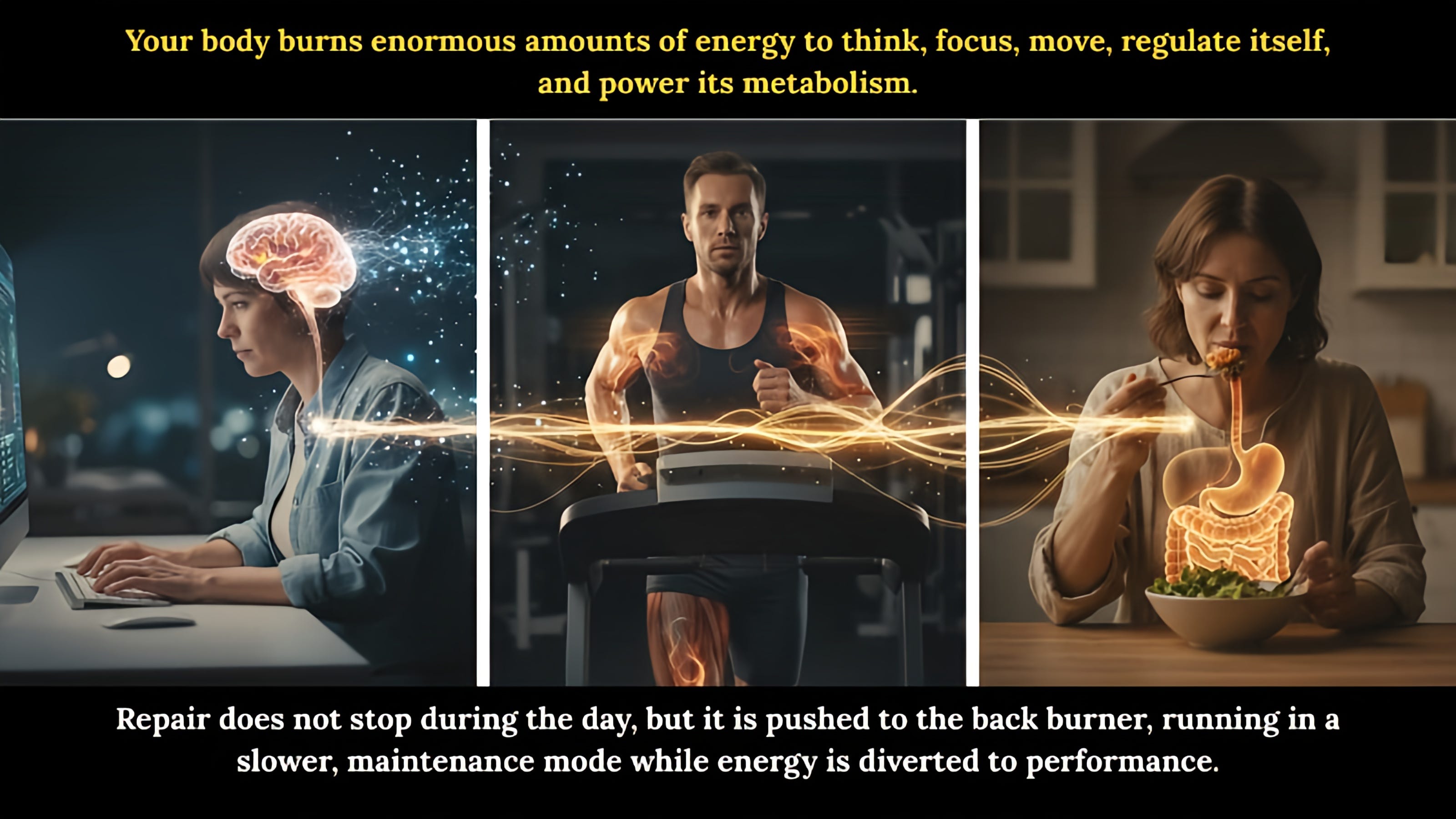
All of the repair systems you just read about—DNA repair, protein quality control, autophagy, immune surveillance, organelle maintenance, waste clearance—are extremely energy-intensive. They require ATP, enzymes, molecular machines, and tightly coordinated cellular logistics. Running them at full capacity while also running the body in “active mode” would be like trying to rebuild a city while every highway is packed with traffic.
Biology has to make trade-offs.
When you are awake, energy has to be allocated first to:
Moving
Thinking
Paying attention
Digesting food
Maintaining posture
Reacting to the environment
Regulating temperature and stress
Those functions keep you alive and functional right now, so they get priority.
If you start exercising, energy gets diverted to muscles.
If you eat, energy gets diverted to digestion and metabolism.
If you are stressed or alert, energy gets diverted to the brain and sensory systems.
When that happens, many repair and cleanup pathways do not stop, but they slow down or run in a maintenance mode. They get what is left over.
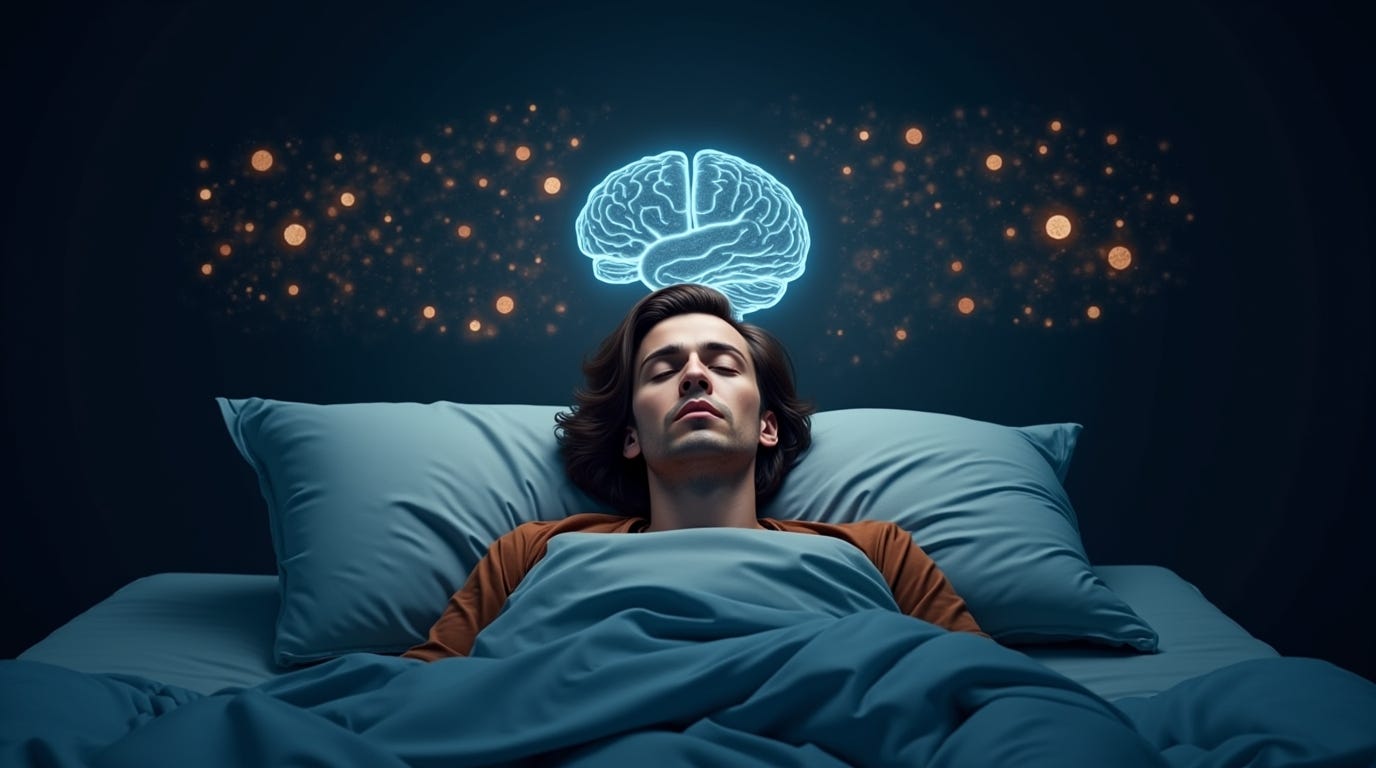
At night, during sleep, the priorities flip.
Movement largely stops.
Food intake stops.
Sensory vigilance drops.
Cognitive demands collapse.
Energy that was being spent on performance can now be redirected.
This is when the body can finally prioritize repair, regeneration, and cleanup.
Sleep allows the body to:
Allocate more resources toward DNA repair.
Activate deeper cellular cleanup through autophagy.
Clear out damaged proteins and components that have built up during the day.
Rebalance and reset multiple physiological systems for the next cycle
This is not about optimization or biohacking. It is basic biological scheduling.
When sleep is shortened or fragmented, repair does not stop completely. But it becomes incomplete. Some things get fixed. Some things get postponed.
Over time, that unfinished maintenance accumulates. Not enough to make you feel sick tomorrow. But enough to quietly raise the risk of:
Neurodegeneration
Cancer
Metabolic disease
Immune dysfunction
Accelerated aging
Sleep is not when your body shuts down.
It is when your body finally gets the time, energy, and biological budget to fix itself.
Your Brain’s Overnight Cleanup Crew: The Glymphatic System
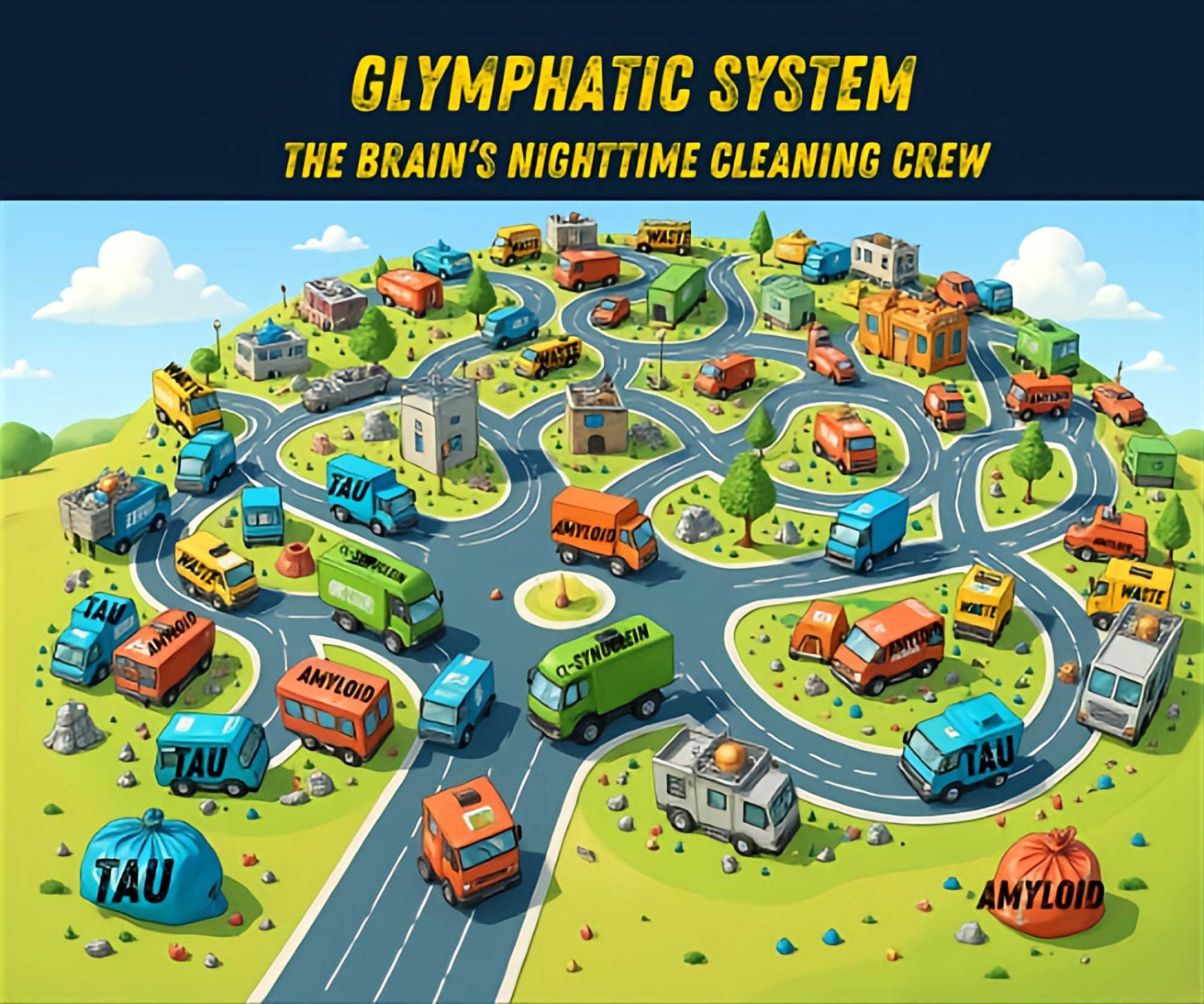
While you are awake, your brain is constantly active, producing waste just like any working system. During deep sleep, the brain activates a specialized cleaning network called the glymphatic system — think of it as the brain’s overnight sanitation crew.
This system clears:
Waste products from normal brain activity
Proteins that can accumulate if sleep is disrupted
It also repairs and fine-tunes connections between brain cells, strengthens memories, rebalances chemical messengers that affect mood and focus, and restores energy use. Short or fragmented sleep reduces how effectively this cleanup happens.
Full-Body Reset: Sleep for the Rest of the Organs
Sleep isn’t just for the brain. Many organs rely on it:
Gut: regulates movement, maintains the gut barrier, supports healthy bacteria
Liver: manages metabolism and detoxification
Heart & blood vessels: reset blood pressure and recover from daily strain
Immune system: coordinates inflammation and immune responses
Poor sleep doesn’t immediately break these systems, but lets them slowly drift out of alignment, which matters over time.
What Actually Turns On When You Sleep
Sleep is a coordinated shift into maintenance mode:
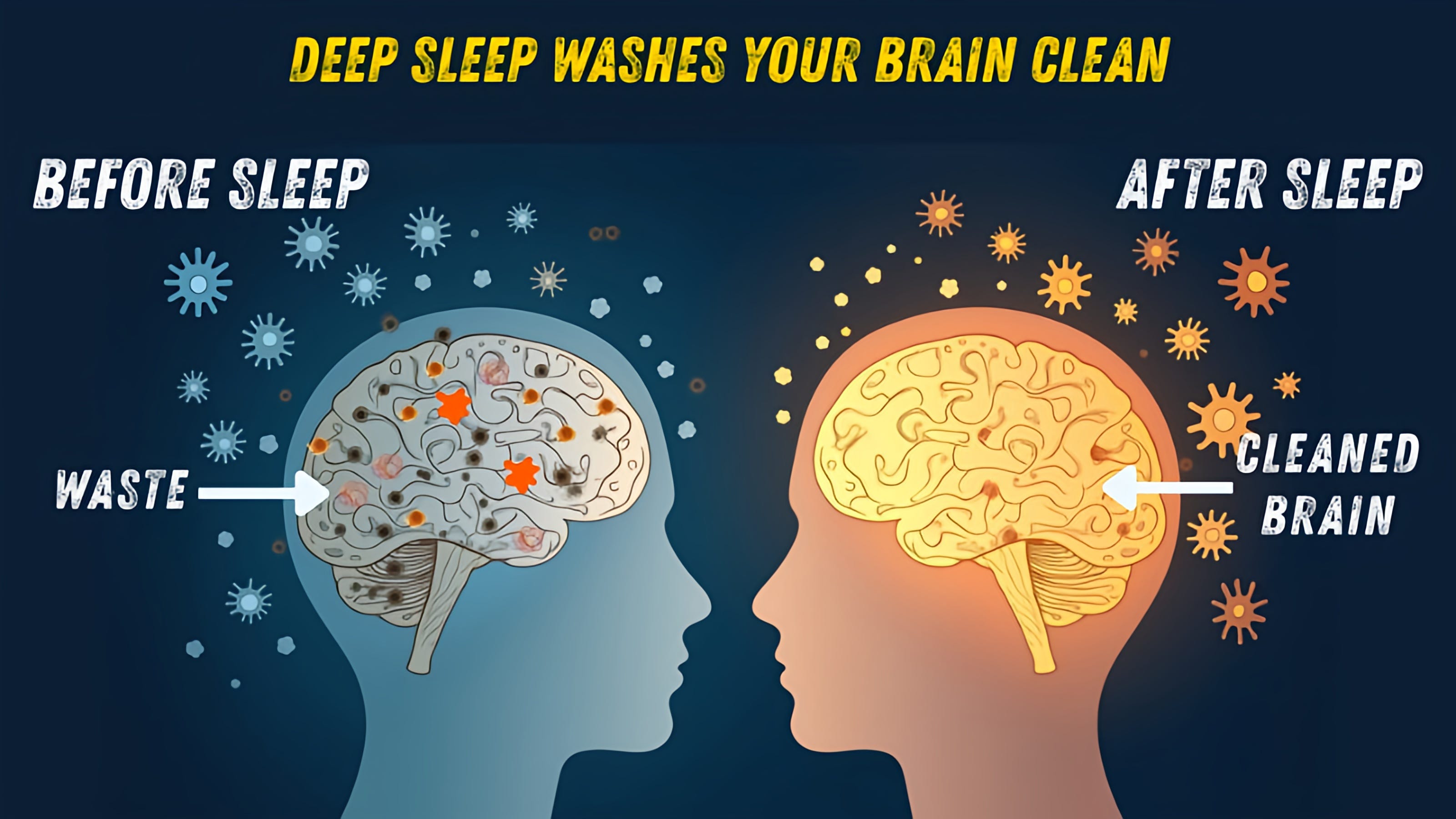
Glymphatic clearance: clears brain waste efficiently
Autophagy: recycles damaged proteins, mitochondria, and cellular parts.
Hormonal reprogramming: growth hormone peaks, cortisol drops, repair dominates
Immune recalibration: inflammatory signaling drops, immune memory consolidates
Why Sleep Debt Is Biological Debt
Missed repair, cleanup, and recalibration cannot be fully caught up later.
Chronic short sleep quietly increases disease risk, long before you notice.
Aging’s Cruel Paradox: When Repair Weakens and Sleep Becomes Fragile
There is another uncomfortable truth: the repair systems themselves are not ageless. With time, DNA repair becomes less efficient, autophagy slows, protein quality control grows noisier, mitochondrial cleanup becomes less precise, and immune surveillance becomes more error-prone. The same machinery that made you resilient in youth gradually loses speed, accuracy, and coordination.
Two things now happen at once. Damage continues at the same relentless pace, but the systems meant to fix it increasingly fall behind. The result is not sudden failure, but slow accumulation: more molecular clutter, more dysfunctional cells, more fragile tissues. This is one of the deep biological reasons aging exists.
And here is the trap: this is exactly when sleep becomes more essential, yet also more fragile. Aging brains sleep more lightly, wake more often, and get less deep sleep, precisely the stages when repair and cleanup are most active. So just as the maintenance crew weakens, the maintenance window shrinks. The system is asked to do more critical work, with fewer tools, in less time.
That combination is not cosmetic. It is a quiet amplifier of aging and disease.
Busting Hustle Myths: Why ‘Sleep When You’re Dead’ Is Dead Wrong

We live in a relentless hustle culture where “sleep when you are dead” is practically a badge of honor. All-nighters get praised. Burnout gets normalized. Productivity is measured by how much sleep you sacrificed, not how well your brain actually worked.
I used to be right there with you. I even joked that “sleep is just a symptom of caffeine deprivation.” I was wrong.
Sleep is not laziness.
It is not downtime.
But more than anything… it is NOT optional.
Sleep is the window when your body switches into maintenance mode, performing repair work that cannot fully happen while you are awake.
When sleep is cut short or fragmented, it is not just tiredness that builds up. Critical biological processes are delayed or skipped. Over time, that quiet backlog starts to matter.
This is especially true for the brain. At the same time, sleep supports essential functions across the body. The immune system recalibrates. The heart and blood vessels recover from daily strain. The gut and liver follow sleep-linked rhythms that affect metabolism and inflammation.
None of this is about willpower. You cannot override it with motivation or caffeine.
In this article, I broke down why we need to sleep.
Next article, I will break down the science behind our sleep cycle, which scientists call circadian rhythms. Learning about circadian rhythms and what makes us sleep is vital for understanding how to improve sleep or address sleep problems.
The third article will focus on natural remedies that have actually been studied through science. Of course, I cannot cover all of them in one article. I am putting a book together that will dissect more science-based therapies for you.
The fourth article will focus on drugs that have been clinically assigned and how they can be used in conversation with your doctor. As a scientist, I feel focusing on natural remedies first will be most effective.
Let’s unpack sleep through January 2026 and try to get this under control within this year.
CPAP changed my life dramatically. For reference, my sleep study measured 72 EPH.
Now it’s .4
Everyone needs to read this very important and fantastic article!