
Skipping Breakfast Could Supercharge Your Cancer Immunotherapy Treatment—New Research Shows Why
What if the timing of your meals could influence how your immune system fights cancer?

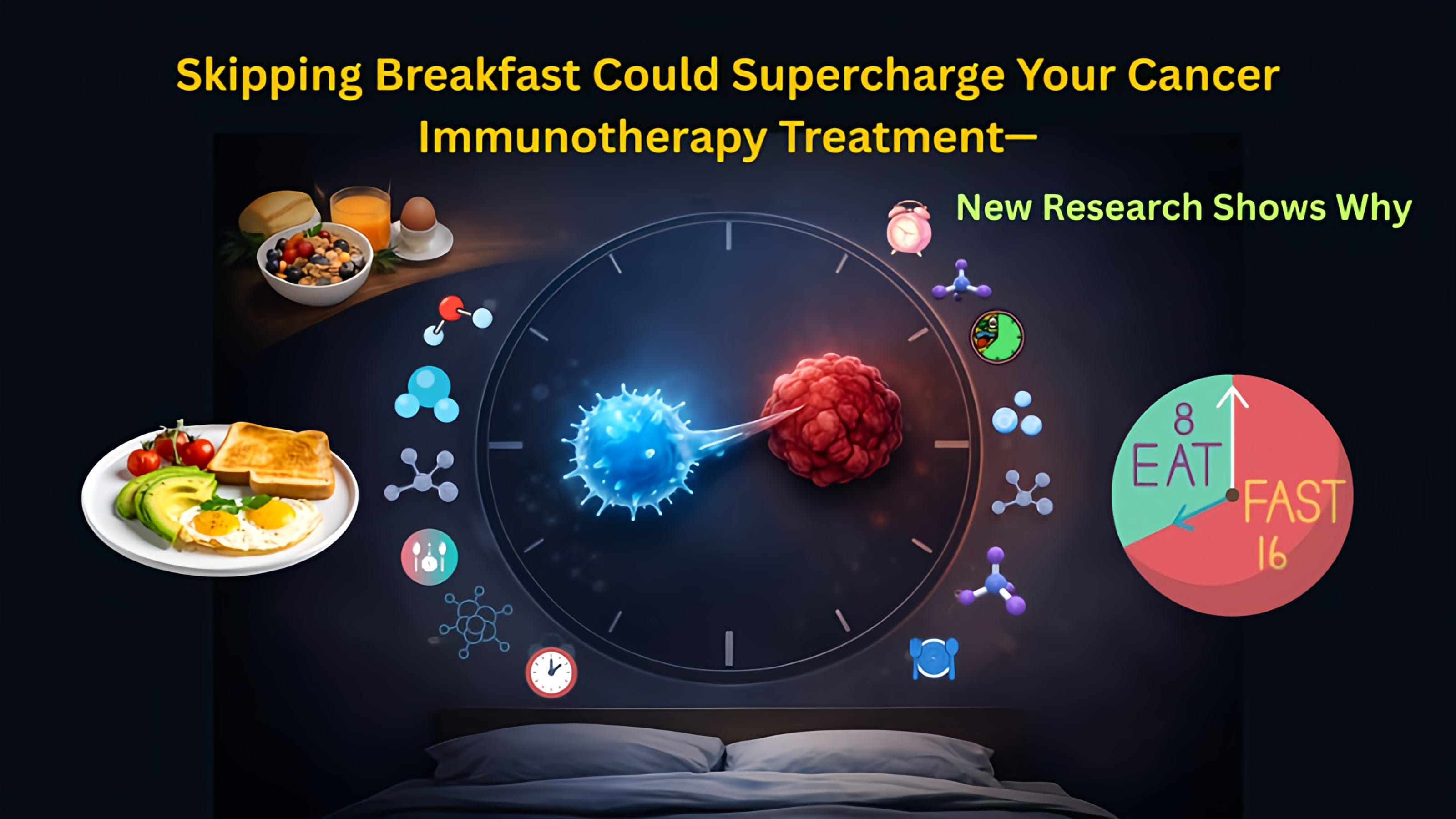
A small group of cancer patients skipped breakfast before their immunotherapy treatments. When researchers examined their immune cells afterward, something stood out.
The T cells responsible for killing cancer were multiplying more aggressively and showing stronger signs of activation. The patients had not taken a new drug or changed their treatment protocol. They had simply changed when they ate.
Two rigorous scientific studies now suggest that short periods of fasting may alter how the immune system behaves during cancer treatment. Here’s why that matters.
Cancer cells and our immune cells both rely on energy to survive and function, and inside tumors, they are competing for the same resources. For years, scientists assumed that reducing nutrient availability would simply weaken cells across the board.
But these new studies suggest something more surprising. A brief, carefully timed fasting period appears to trigger metabolic changes that cancer cells struggle to adapt to, while immune cells may continue functioning effectively, or even become more active. This temporary shift could help immune cells do their job more efficiently during treatment.
Importantly, some of these findings were observed not only in animal studies but also in early human trials.
This is not a story about replacing medicine with diet.
It is a story about how something as simple as when you eat might influence how modern cancer therapies work.
Why This Matters
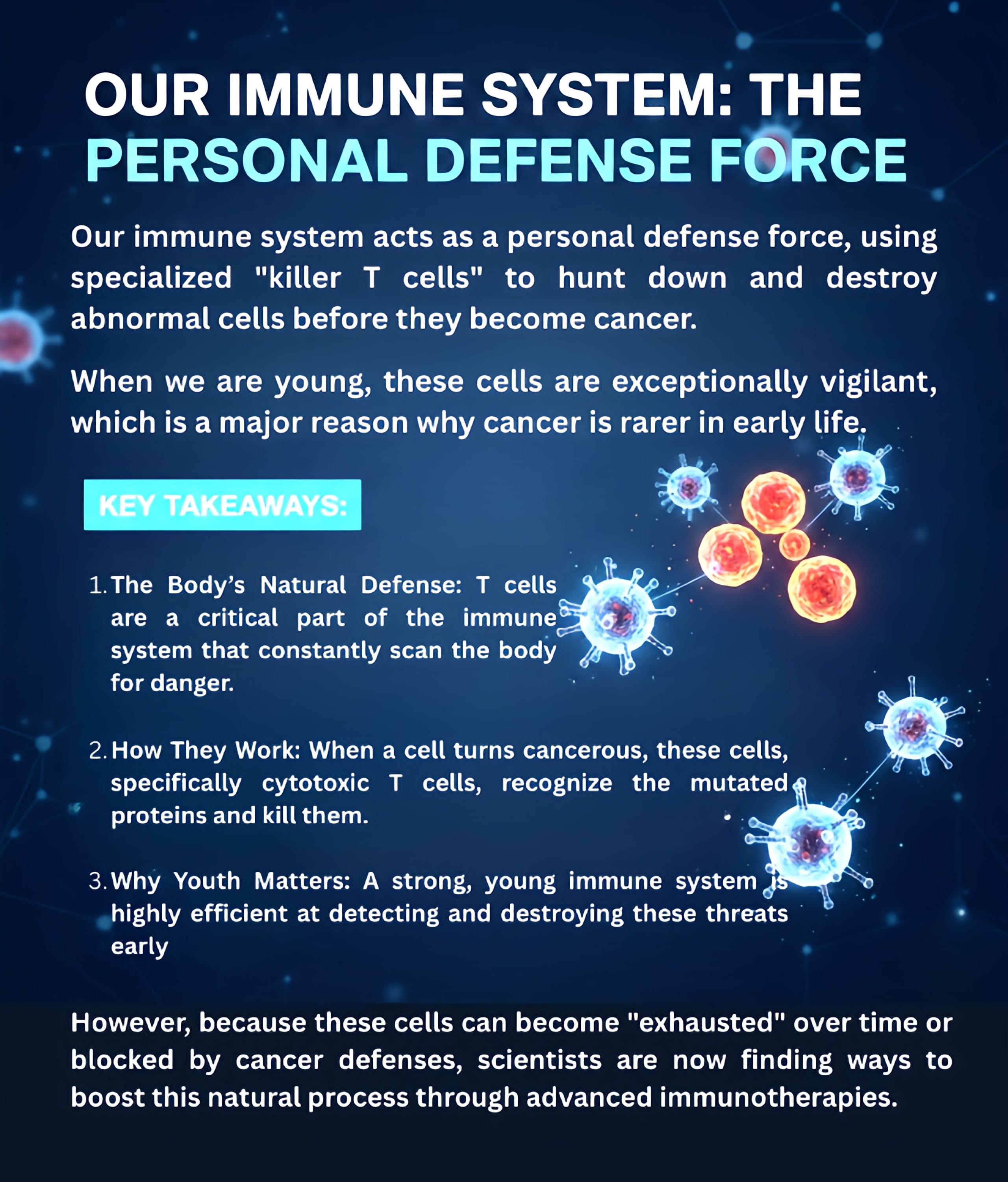
Immunotherapy has changed cancer treatment over the past decade. Drugs that help the immune system recognize and attack cancer have saved lives. But they do not work for everyone. Some tumors resist treatment. Some patients experience severe side effects. Researchers are trying to understand why.
One growing area of interest is the tumor microenvironment. This is the local ecosystem around a tumor, including immune cells, blood vessels, nutrients, and chemical signals. Tumors compete with immune cells for fuel. If cancer cells dominate that competition, immune cells can become exhausted and ineffective.
Cancer is not just uncontrolled cell growth.
It is a dynamic struggle between tumor cells and the immune system, and tipping that balance can change outcomes.
That is where metabolism enters the picture. Food changes metabolism. Fasting changes it even more dramatically. The question researchers asked was simple. “Could short periods of fasting shift the metabolic environment in a way that helps immune cells do their job?”
Study One: A 16 Hour Fast and Immunotherapy
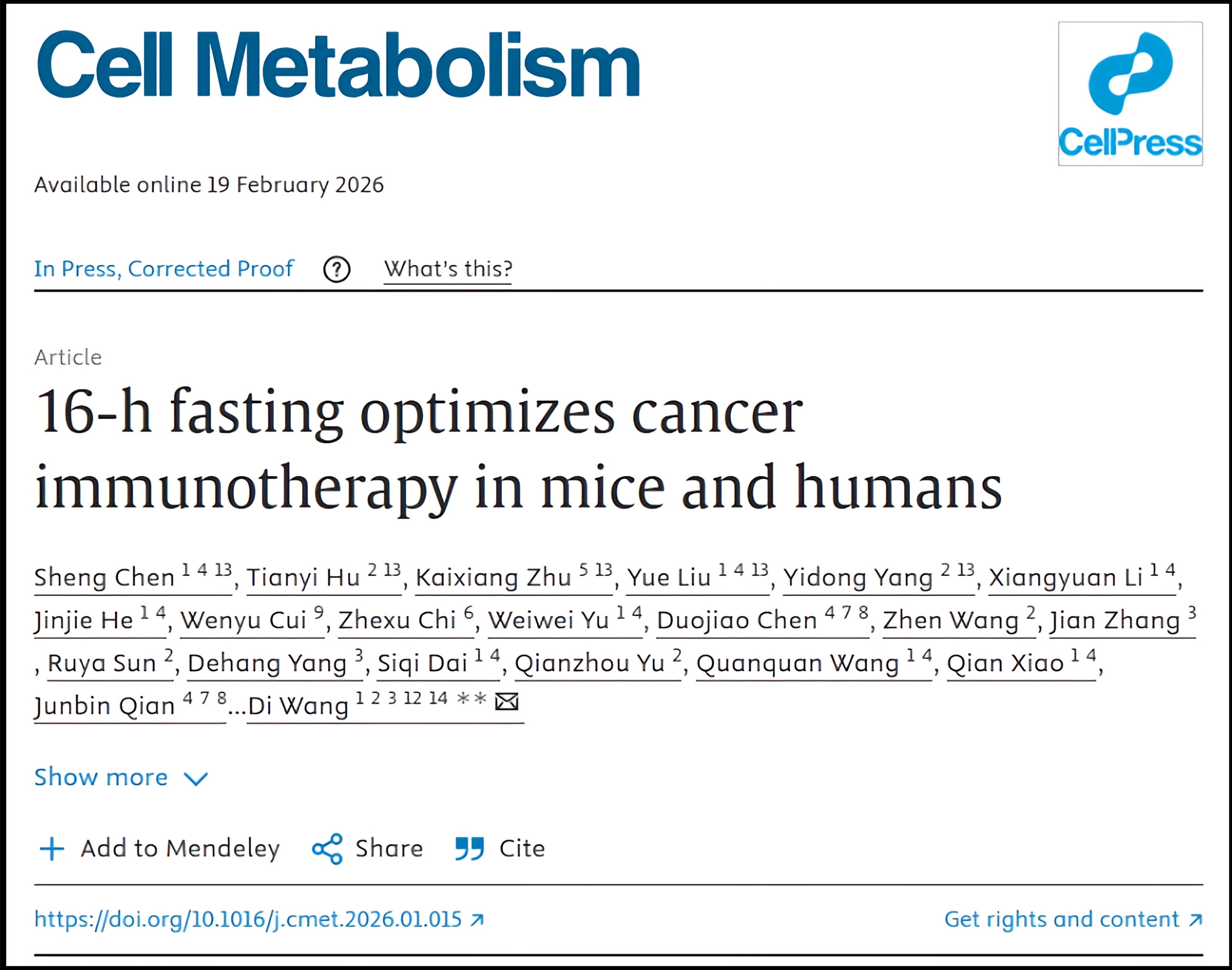
In early 2026, a paper titled “16-h fasting optimizes cancer immunotherapy in mice and humans” was published in the journal Cell Metabolism.
The researchers tested a practical intervention. A 16-hour overnight fast. This is not extreme starvation. For many people, it looks like finishing dinner at 6 pm and eating again at 10 am the next day.
What They Did in Mice
In mouse models of cancer, the researchers combined a 16-hour fasting window with immune checkpoint therapy, a common form of immunotherapy. They compared fasted mice to mice that ate freely.
They looked closely at what was happening inside the tumor.
They found that fasting changed nutrient availability within the tumor microenvironment. One specific change stood out. Levels of an amino acid called “isoleucine” increased within tumors during fasting.
Why does that matter?
Our immune system includes specialized “killer” cells called “CD8+ T cells” that can directly attack cancer cells. These T cells need fuel to function. In the fasting condition, the higher levels of isoleucine inside the tumor appeared to support stronger T cell activity … meaning … The T cells with isoleucine were better equipped to attack tumor cells. Fasting also changed how these T cells used energy and which genes they activated, changes that are typically seen when immune cells become more active.
Most importantly, when fasting was combined with immunotherapy, tumor control improved in mice compared to immunotherapy alone.
That is a strong preclinical signal.
What They Saw in Humans
This is where the study becomes especially interesting.
The researchers also looked at a small group of colorectal cancer patients receiving neoadjuvant immunotherapy, meaning immunotherapy given before surgery. Some patients underwent short-term fasting during treatment.
The study did not test whether fasting improved survival or tumor shrinkage in these patients. It was not a large randomized trial.
What they did measure was the immune response.
They reported enhanced CD8-positive T cell clonal expansion in patients who fasted. Clonal expansion means that specific T cells multiply after recognizing their target.
It is a sign that the immune system is responding to something, in this case, the tumor.
They also observed increased expression of genes linked to cytotoxic function. In other words, the immune cells showed signs of being more activated and ready to kill.
This is not proof that fasting makes immunotherapy cure more cancer in humans. But it is human data showing measurable immune changes during treatment. That is rare in the fasting literature and worth paying attention to.
Study Two: A Fasting Mimicking Diet and Immunotherapy
A related line of research was published in 2023 in another prestigious scientific journal called Nature Communications.
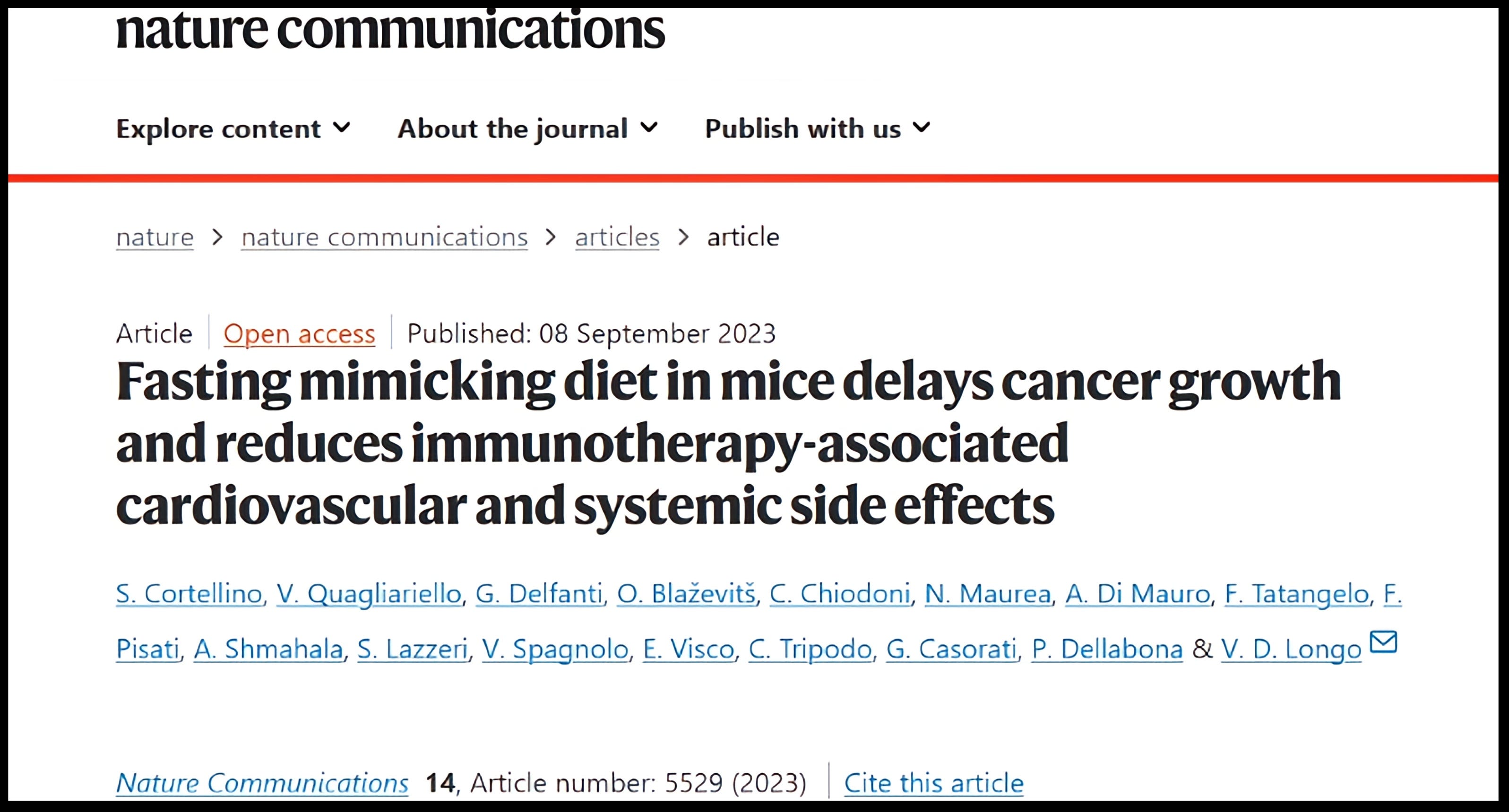
Instead of a daily 16-hour fast, this study used what is called a fasting mimicking diet. This is a short cycle of very low-calorie, low-protein, plant-based nutrition designed to trigger some of the biological effects of fasting while still providing limited nutrients.
This study focused on mouse models of melanoma treated with immune checkpoint inhibitors.
What They Found
When the fasting mimicking diet was combined with immunotherapy, tumor growth was delayed more than with immunotherapy alone. That aligns with the general theme seen in the 2026 paper. Dietary restriction appeared to enhance anti-tumor immune responses in mice.
But this study added another important dimension.
Immunotherapy can cause inflammation in healthy tissues, including the heart.
In the mouse models, the fasting mimicking diet reduced markers of inflammation and oxidative stress associated with treatment.
So here we have two separate research groups using two different dietary interventions. Both saw enhanced immune activity against tumors in mice when dietary restriction was paired with immunotherapy. One study also showed reduced treatment-related toxicity in animal models.
Together, these findings strengthen the idea that metabolic state influences how immunotherapy works.
How Could This Be Happening?
To understand this, we need to zoom out.
Cancer cells are metabolically aggressive. They consume large amounts of glucose and amino acids. Immune cells also need energy to function. Inside a tumor, there is competition.
Fasting shifts the body’s fuel sources. Blood glucose drops. The body increases fat breakdown and ketone production. Hormonal signals change. Nutrient availability shifts.
In the mouse study, fasting increased intratumoral isoleucine levels. That appears to have supported CD8-positive T cell function. The T cells showed metabolic and gene expression changes consistent with stronger cytotoxic capacity.
In broader research, fasting and fasting-like diets have been linked to changes in inflammation, insulin signaling, and cellular stress responses. All of these pathways can influence immune function.
The key concept is this. Immune cells are not separate from metabolism. They are deeply influenced by it.
What This Does Not Mean
This part is critical.
These studies do not show that fasting alone treats cancer.
They do not show that patients should begin fasting without medical supervision.
They do not prove improved survival in humans.
The human data from the 2026 study show immune activation signals, not long-term clinical outcomes. The fasting mimicking diet study was conducted in mice.
Cancer patients can be vulnerable to weight loss and malnutrition. Any dietary intervention during treatment must be discussed with an oncologist.
What these studies show is something more subtle but potentially powerful. They suggest that dietary timing and metabolic state can influence how the immune system responds to cancer therapy.
Should people just take isoleucine supplements?
No!!!
The study does not suggest that taking amino acid supplements will boost the immune system against cancer. The benefits seen in the research appear to come from the metabolic state created by short-term fasting, not from adding more isoleucine to the diet.
During fasting, the body naturally reshapes how nutrients are used and shared between cells, temporarily giving immune cells an advantage inside tumors. Simply consuming large amounts of isoleucine would not recreate this balanced biological response and could potentially feed both healthy and cancer cells.
It’s important not to misinterpret these findings. This research does not mean:
❌ Amino acids are a cancer treatment
❌ More nutrients automatically strengthen immunity
❌ Diet hacks can replace medical therapy
The discovery is about timing and metabolism, not supplements.
At this stage, fasting strategies are still being studied and should only be considered under medical supervision during cancer treatment.
A Bigger Picture
For decades, nutrition in cancer care has focused primarily on preventing weight loss and maintaining strength. That remains essential.
But we are entering a new era where researchers are asking more precise questions. Not only what patients should eat, but also when they should eat. And how does that timing interact with advanced therapies like immunotherapy?
The 16-hour fasting study provides a mechanistic framework. It connects a practical fasting window to measurable changes in tumor metabolism and T cell function. It also provides early human immune data.
The fasting mimicking diet study expands the story. It suggests dietary restriction may both enhance tumor control and reduce certain toxic effects in preclinical models.
Neither paper is a final answer. But together they point toward a field that is rapidly evolving. Metabolic oncology is becoming more sophisticated. It is no longer about vague claims that fasting is healthy. It is about identifying specific molecular pathways and testing them carefully.
Where Research Goes Next
The next steps are clear.
Larger randomized human trials are needed to test whether structured fasting or fasting-like interventions improve clinical outcomes such as tumor response rates or survival.
Researchers will need to determine which patients might benefit and which should avoid such interventions.
Safety will remain central. The goal is not to push fragile patients into calorie restriction. It is to explore whether carefully supervised metabolic interventions can complement existing therapies.
The Take Home Message
I usually focus on the brain and aging, and fasting is a topic that comes up often in that research. The science is complex. Too much fasting can be harmful, too little may offer no benefit, and the effects can vary widely depending on genetics, sex, lifestyle, environment, and overall diet. There is no single approach that works for everyone.
Still, growing evidence suggests that carefully timed fasting may influence processes linked to aging and brain health. I came across these cancer studies while researching that broader question, and they stood out because they are very new and offer a different perspective on how metabolism can shape disease and treatment.
In upcoming pieces, I’ll return to the aging and brain side of this topic in more depth. I’m currently putting together a longer, evidence-based guide that will be shared first with paid subscribers, and I’ll share more details soon.
A 16-hour overnight fast enhanced immunotherapy responses in mice and was associated with stronger CD8-positive T cell activity in a small group of human cancer patients.
A fasting mimicking diet enhanced immunotherapy efficacy and reduced treatment-related cardiac inflammation in mouse models.
These findings suggest that metabolic state can shape immune responses inside tumors.
This is not a replacement for medical treatment. It is a glimpse into how diet and advanced cancer therapies may intersect.
The science is still early. But the direction is clear. The immune system does not operate in isolation. It responds to the metabolic environment we create.
And sometimes, something as simple as when we eat may turn out to matter more than we once imagined.
Conventional wisdom is that cancer cells are constantly being created and being suppressed by the immune system. I probably don’t have cancer now (had a PET scan with radio-active glucose last year with no hot spots). Feels like my usual skipping breakfast could be a benefit.